Asbestos in Flooring Shingles and Vinyl: What to Look For
To look for asbestos in floor ceramic tiles and vinyl, try to find smooth, mottled, or marbled floor tiles in low-key planet tones, usually 9”x9” or 12”x12”, installed in between the 1920s and 1980s. Brand names like Armstrong or Kentile are greater risk. Hidden layers and adhesives might additionally contain asbestos. Just lab screening provides a certain response— don't disrupt materials. If you wish to confidently recognize hazards, understand screening, and handle removal securely, there's even more that can assist you even more.
Takeaways
- Asbestos flooring tiles often have mottled, marbled, or multicolor patterns and can be found in 9”x9”, 12”x12”, or 18”x18” sizes.
- Risky installment years are 1920s— 1980s, with peak usage in the 1950s— 1970s, particularly from brands like Armstrong, Kentile, and Congoleum.
- Asbestos is common in hidden layers, backing, or adhesives, also if the tile surface area appears intact. https://bromleybybowasbestosremoval.co.uk/services/refurbishment-demolition-survey.html
- Just licensed lab screening can effectively identify asbestos in tiles or vinyl— visual examination alone is undependable.
- Stay clear of disturbing believed asbestos tiles; disturbing or removing them can launch harmful fibers and calls for specialist handling.
How to Recognize Asbestos Flooring Floor Tiles
Figuring out whether floor tiles include asbestos needs careful observation and, in most cases, research laboratory testing. You'll intend to start by analyzing the ceramic tile's look. Asbestos floor tiles frequently include distinctive vintage patterns, such as mottled or speckled styles, that were prominent in mid-20th century installations. Examine for tile dimensions— 9x9 inches is an usual measurement for asbestos-containing products. While aesthetic signs assist, they're not definitive. If you think asbestos, don't disturb the ceramic tiles; disrupting them can launch unsafe fibers. Rather, make use of upkeep pointers focused on reducing friction and preventing damage, like regular mild cleaning and preventing sanding or scuffing. For conclusive identification, you'll require to send out an example to a qualified research laboratory, as only specialist evaluation can verify the visibility of asbestos fibers.
Years and Brands More Than Likely to Include Asbestos
While asbestos was commonly utilized in structure products throughout much of the 20th century, floor tiles and vinyl products produced between the 1920s and late 1980s are most likely to have this unsafe material. If you're examining your flooring, it's important to concentrate on both the age and beginning of your materials. Historic brand names and manufacturing processes play a significant duty in asbestos visibility. Bottom line to birth in mind include:
- 1920s— late 1980s: A lot of asbestos-containing floor tiles and plastic were produced in this duration.
- Historic brand names: Armstrong, Kentile, Congoleum, and Amtico were understood for utilizing asbestos in their production procedures.
- Tile size: 9”x9” and 12”x12” ceramic tiles from these years are specifically suspect.
- Item kind: Both asphalt-based and vinyl-based products typically contained asbestos fibers.
Where Asbestos Is Found in Vinyl and Floor Shingles
You'll frequently experience asbestos in flooring ceramic tiles and plastic, particularly in kitchen areas, bathrooms, and cellars mounted during risky years. It's not just in the visible surface— covert layers, adhesives, and supports can all have asbestos fibers. Recognizing these typical areas and products assists you evaluate your home's prospective direct exposure properly.
Usual Locations in Residence
Many older homes include asbestos within flooring ceramic tiles and plastic materials, specifically in locations revealed to regular moisture or heavy foot website traffic. artex removal When you're reviewing your home, pay close interest to particular locations where asbestos-containing products were generally installed for resilience and water resistance. These materials are usually found in:
- Basements-– Vinyl and floor tiles were made use of below to combat regular moisture and ground-level humidity.
- Cooking areas-– Asbestos was favored for tiles due to consistent spills, warm, and cleansing needs.
- Bathrooms-– High wetness levels made asbestos plastic flooring a useful option.
- Attic storage space and crawlspaces *-– Floor floor tiles in attic storage space* locations and spaces impacted by crawlspace wetness typically contain asbestos for added sturdiness.
Understanding these usual places can aid you determine prospective asbestos threats in your home.
Hidden Layers and Backings
Beneath the noticeable surface area of floor ceramic tiles and vinyl, asbestos is often hidden within concealed layers and backing products that aren't immediately obvious. You'll locate that asbestos was generally made use of in the backing of vinyl sheet flooring and in the mastic or concealed adhesives protecting ceramic tiles to the subfloor. These elements are frequently ignored because they're not noticeable without raising the floor covering. Gradually, backing wear and tear can take place, releasing asbestos fibers if the material is disrupted throughout remodelling or elimination. It is very important to recognize that also if the surface shows up undamaged, the underlying layers may still position a health and wellness danger. Recognizing these hidden asbestos-containing products requires cautious evaluation, typically by experts, to avoid unneeded direct exposure during any service existing flooring systems.
High-Risk Installation Years
Recognition of concealed asbestos layers is just component of risk-free flooring analysis; it's just as important to recognize the particular years when asbestos use in plastic and floor tiles came to a head. If you're assessing commercial structures or preparing renovations, understanding these risky setup durations assists you determine prospective restoration risks. Asbestos use in floor covering was most widespread from the 1920s via the 1980s, but certain decades position better concern.
Below are the key years to watch:
- 1920s-1940s: Very early adoption in commercial and institutional flooring.
- 1950s-1960s: Greatest production and setup rates; prevalent in both homes and companies.
- 1970s: Sector standard for vinyl floor tiles and sheet flooring.
- Early 1980s: Gradual phase-out, however still present in inventories and installments.
Always assess these periods prior to disturbing old flooring.
Visual Indicators of Asbestos Floor Tiles
When examining flooring tiles for asbestos, you'll intend to look for certain visual signs such as typical floor tile dimensions, distinct color patterns, and special surface area appearances. You might see ceramic tiles measuring 9x9 inches, low-key earth tones, or a mottled look, all of which can signify potential asbestos material. It is necessary to assess these functions carefully, as they can supply important ideas before any type of sampling or screening is performed.
Common Tile Dimension Indicators
Several older flooring tiles— especially those mounted prior to the 1980s-– were produced in details dimensions that can act as crucial aesthetic hints for determining potential asbestos web content. If you're examining a floor and desire to analyze its risk, paying close focus to ceramic tile dimensions and pattern repeats is crucial. Asbestos-containing tiles often comply with recognizable dimension conventions. Here are four common indications to try to find:
- 9-inch by 9-inch floor tiles-– This dimension is highly connected with asbestos use in mid-20th-century floor installments.
- 12-inch by 12-inch tiles-– Though still usual today, some very early variations had asbestos.
 4. 18-inch by 18-inch ceramic tiles-– Much less frequent, yet present in specific asbestos-era items.
 - Constant pattern repeats-– Uniform patterns might indicate mass-manufactured, asbestos-containing floor tiles.
Distinct Shade Patterns
Past tile size, color scheme provide an additional layer of evidence in determining feasible asbestos floor ceramic tiles. You'll usually notice retro patterns, which were especially prominent from the 1920s through the 1980s— exactly when asbestos was generally utilized. These patterns generally include geometric shapes, varicolored styles, and marbled effects that aren't as common in contemporary flooring materials. Pay attention to soft planet tones and terracotta tones, as these shades often show up in older floor tile products that may consist of asbestos. https://bromleybybowasbestosremoval.co.uk It is very important to bear in mind that color alone isn't conclusive proof, yet certain combinations— such as olive greens, ochres, and deep browns— are particular of the period. By closely assessing these unique color scheme, you'll enhance your capability to flag ceramic tiles that can possibly contain asbestos.
Surface Area Texture Ideas
Commonly, you'll see that asbestos-containing flooring tiles show a uniquely smooth or discreetly dimpled surface area, distinctive from the more pronounced textures discovered in modern-day vinyl floor covering. When examining these tiles, pay close focus to the responsive and visual cues that might show asbestos content. Unlike contemporary products, asbestos ceramic tiles hardly ever display a harsh structure or popular grains. You're a lot more most likely to observe a regular, in some cases glossy coating, though excessive gloss is unusual. Use the complying with listing to aid you identify potential asbestos-containing tiles:
- Smooth, consistent surface areas without apparent grooves or embossing.
- Marginal surface area gloss; a soft shine instead of a high-gloss finish.
- Subtle dimpling, in contrast to rough appearance or heavy patterns.
- Absence of deepness or layering commonly existing in contemporary plastic styles.
Aesthetic and Lab Techniques to Determine Asbestos Floor Tiles

Properly recognizing asbestos in flooring ceramic tiles and plastic calls for a combination of visual inspection and laboratory evaluation. You'll initially search for dead giveaways, such as ceramic tile size (frequently 9x9 inches), color, and manufacturer markings, but these signs alone aren't conclusive. For conclusive results, examples ought to be sent out to a qualified lab. There, microscopy methods— such as polarized light microscopy (PLM)— are made use of to check out fibers at high zoom, distinguishing asbestos from similar materials. In addition, spectral evaluation techniques like Fourier-transform infrared spectroscopy (FTIR) or X-ray diffraction (XRD) help verify the mineral's one-of-a-kind chemical signatures. Counting only on aesthetic hints can lead to misidentification, so laboratory analysis is vital for precise assessment. Don't try tasting on your own; get in touch with specialists learnt asbestos handling.
Wellness Dangers of Disturbing Asbestos Floor Shingles
If you interrupt asbestos floor ceramic tiles, you risk releasing microscopic fibers into the air, which are easily breathed in. These airborne fibers can create lasting breathing problems such as asbestosis and chronic lung disability. With time, exposure is also connected to serious illness, including lung cancer cells and mesothelioma cancer.
Airborne Fiber Direct Exposure Risks
When asbestos-containing flooring tiles are disrupted— with remodelling, removal, and even hostile cleaning-– the product can launch tiny asbestos fibers right into the air. You can not see or scent these fibers, however they posture substantial dangers if inhaled. The level of airborne fiber exposure depends upon just how much disruption takes place and the effectiveness of job-related surveillance. Proper controls are vital to lessen bit dispersion and limitation direct exposure. Take into consideration these essential points:
- Disruption Kind: The more hostile the task, the higher the fiber release.
- Fragment Diffusion: Air movement and air flow can spread fibers rapidly throughout an area.
- Occupational Surveillance: Routine air tasting is necessary for spotting unsafe fiber focus.
- Control Steps: Making use of obstacles and HEPA filters can decrease air-borne fiber movement inside your home.
Long-Term Respiratory Impacts
Although asbestos floor ceramic tiles might appear secure when undisturbed, disrupting them can cause the launch of fibers that significantly enhance your threat of creating persistent breathing conditions. When you breathe in these fibers, they can become trapped deep in your lung cells, creating swelling and scarring in time. Job-related exposure, specifically with duplicated get in touch with or inadequate safety steps, substantially elevates these dangers. Normal breathing tracking is essential, as symptoms commonly develop slowly and might not appear till considerable damage has occurred.
Health Result
Regular Onset
Key Sign
Persistent Respiratory disease
Years
Relentless coughing
Lung Fibrosis
Decades
Shortness of breath
Pleural Enlarging
Years— Years
Chest discomfort
Reduced Lung Function
Years
Exhaustion
Airway Blockage
Years
Hissing
Cancer Cells and Condition Hyperlinks
While asbestos flooring ceramic tiles may seem safe when intact, disturbing them can position significant carcinogenic risks because of the launch of air-borne fibers. When you breathe in these fibers, they can lodge in your lung cells, bring about extreme health results in time. Asbestos public health has actually revealed clear links between exposure and malignancies, specifically mesothelioma, an uncommon and hostile cancer. Understanding the mesothelioma cancer systems highlights why exposure is so dangerous— fibers trigger chronic swelling, DNA damage, and mobile anomalies.
Here are four crucial cancer cells and disease links to be mindful of:
- Mesothelioma cancer: Straight connected to asbestos fiber breathing.
- Lung Cancer cells: Risk boosts with collective exposure.
- Asbestosis: Persistent lung disease from fiber buildup.
- Various other Cancers: Laryngeal and ovarian cancers have documented associations.
What to Do If You Suspect Asbestos in Your Floors
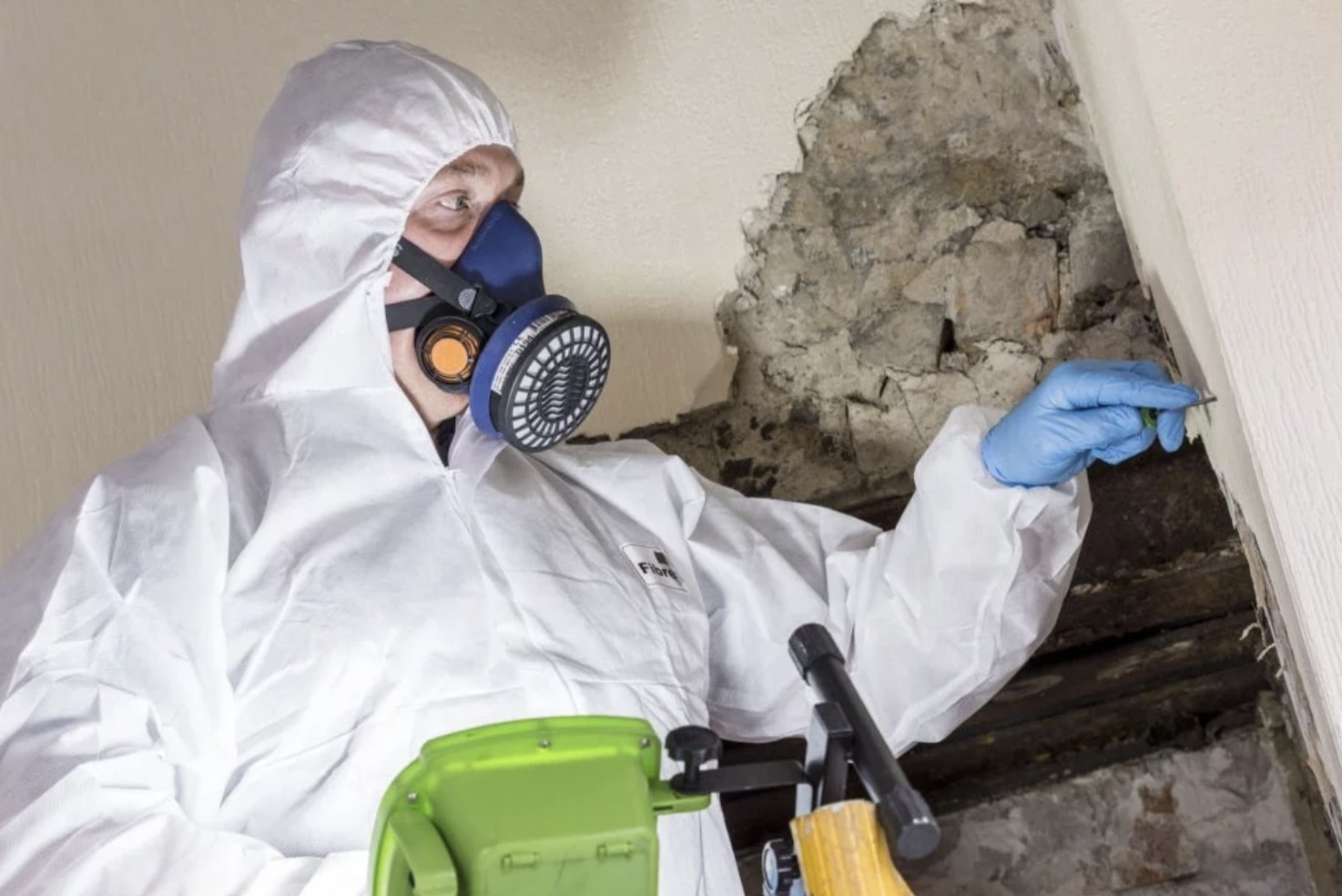
If you think your floorings could include asbestos, it's vital to stay clear of interrupting the product, as asbestos fibers can become air-borne and posture considerable wellness threats when inhaled. Don't sand, cut, or bring up old ceramic tiles or plastic. Instead, decrease foot web traffic and keep youngsters and family pets away from the location. Consider the relevance of psychological support, because discovering potential asbestos in your house can be demanding. Equally, start economic preparation for possible reduction or removal costs, as specialist removal can be expensive. Paper any kind of suspected areas for recommendation and communicate plainly with family participants. The table below summarizes prompt steps:
Step
Why It is necessary
Prevent disturbance
Protects against fiber release
Limitation accessibility
Decreases direct exposure risk
Look for support/planning
Addresses tension, costs
DIY Screening Kits Contrasted to Expert Examinations
After taking actions to lessen disturbance and direct exposure, you'll need to validate whether asbestos is really present in your floor tiles or plastic. You have the alternative to utilize DIY screening sets or work with a specialist assessor. Right here's a detailed evaluation to aid you choose:
- Home Tasting: DIY kits allow you to accumulate examples yourself, but incorrect method can boost direct exposure threat.
- Professional Inspections: Licensed examiners adhere to strict protocols, minimizing contamination and ensuring precision.
- Cost Contrast: DIY packages are less expensive (generally $30—$60), while expert examinations range from $250—$800.
- Outcome Dependability: Lab-tested do it yourself examples can be accurate, yet professional evaluation is much more trusted because of experience and oversight.
Your option depends on budget plan, confidence in home sampling, and your requirement for precise outcomes.
How to Deal With Suspected Asbestos Flooring Securely
Even when you're unclear whether your flooring tiles or plastic have asbestos, it's vital to treat any suspect product with caution to stop dangerous fiber launch. Prevent interrupting the flooring— do not sand, scrape, or drill, as these activities can release tiny fibers right into the air. If a piece comes to be loosened, carefully cover it with plastic sheeting and tape to reduce direct exposure. Usage damp fabrics to tidy surface areas nearby, never dry sweeping or vacuuming, as this may spread fibers. Shop any gathered particles in secured, identified bags; correct storage is necessary to lower risk throughout handling. Maintain emergency readiness: recognize whom to get in touch with in case of unintentional disruption and have individual protective devices offered. Constantly prioritize control and minimize activity around thought asbestos locations.
Legal Demands for Getting Rid Of Asbestos Flooring Tiles
While asbestos flooring ceramic tiles may appear innocuous when uninterrupted, their removal is regulated by strict lawful requirements to protect public health and wellness and safety. As a residential or commercial property owner, you need to understand your lawful responsibilities before beginning any kind of removal procedure. Federal, state, and regional guidelines need you to adhere to specific steps to assure compliance and decrease asbestos exposure. Below's what you require to understand:
- Notification: Alert pertinent environmental authorities prior to elimination starts, as mandated by regulation.
- Licensing: Just licensed specialists are permitted to eliminate asbestos-containing materials; unlicensed removal is illegal.
- Job Practices: Strict control, moistening methods, and use of personal safety devices are called for during removal.
- Disposal Procedures: You should transport asbestos waste to approved facilities, adhering to all labeling and paperwork regulations.
Non-compliance can cause serious penalties.
Exactly how to Choose an Asbestos Flooring Removal Service Provider
Choosing the right asbestos floor covering elimination contractor demands careful assessment of qualifications, experience, and regulative conformity. You need to confirm that just licensed contractors, licensed for asbestos abatement, are thought about. Assess their record by asking for references and assessing past projects similar to your own. Confirm that the contractor abides by government, state, and regional policies, including proper disposal methods and employee safety procedures. Prior to making a decision, get in-depth removal quotes from several service providers. https://bromleybybowasbestosremoval.co.uk/services/garage-shed-roof-removal.html These quotes should outline task extent, containment methods, tools utilized, timelines, and complete costs. Thoroughly compare these proposals for completeness and transparency. Don't think twice to inquire about obligation insurance coverage and employee training certifications. By following these steps, you'll minimize health and wellness risks and warranty that your asbestos floor covering is eliminated securely and effectively.
Regularly Asked Questions
Can Asbestos in Flooring Shingles Affect Indoor Air Top Quality Gradually?
Yes, asbestos in flooring tiles can impact interior air high quality with time if the floor tiles come to be damaged or degrade. You're at danger of long-term direct exposure when tiny fibers are released right into the air and inhaled. Asbestos fibers are unseen to the nude eye, so you will not observe them, but they can build up in your lungs, resulting in significant health threats. Undamaged tiles commonly present little danger unless disturbed or gotten rid of improperly.
Are Pet dogs in jeopardy From Asbestos-Containing Flooring Tiles? commercial strip out
Yes, your pets are at risk from asbestos-containing floor ceramic tiles if the ceramic tiles are harmed or disrupted. Pet dog exposure can occur when animals scratch, chew, or dig at weakening tiles, causing asbestos fibers to end up being airborne. For ideal pet security, it's necessary to avoid pet dogs from accessing areas with compromised ceramic tiles. Breathing of asbestos fibers can cause respiratory system concerns in pets, comparable to those located in human beings, so professional analysis is suggested.
Does Insurance Policy Cover Asbestos Flooring Floor Tile Removal Prices?
No, your basic house owner's insurance coverage usually does not cover asbestos floor ceramic tile removal prices, as it's considered a upkeep issue as opposed to abrupt damages. If protection exists, it's commonly restricted by your policy's insurance policy deductibles and liability restrictions. Some policies may pay if asbestos is disturbed by a protected peril, like fire, yet you'll need to review your details plan details and consult your insurance company to recognize your specific insurance coverage and exclusions.
Can I Market My Home if It Has Asbestos Flooring Ceramic Tiles?
Yes, you can market your house if it has asbestos flooring ceramic tiles, but you're legally required to supply purchaser disclosure regarding the presence of asbestos. Many customers might ask for removal or work out cash incentives to counter removal prices. Lenders and assessors may likewise have particular requirements. You shouldn't conceal asbestos-related issues, as nondisclosure might result in lawful effects after the sale. Openness warranties compliance and aids facilitate a smoother realty purchase.
How Should Asbestos Particles From Floor Shingles Be Disposed Of?
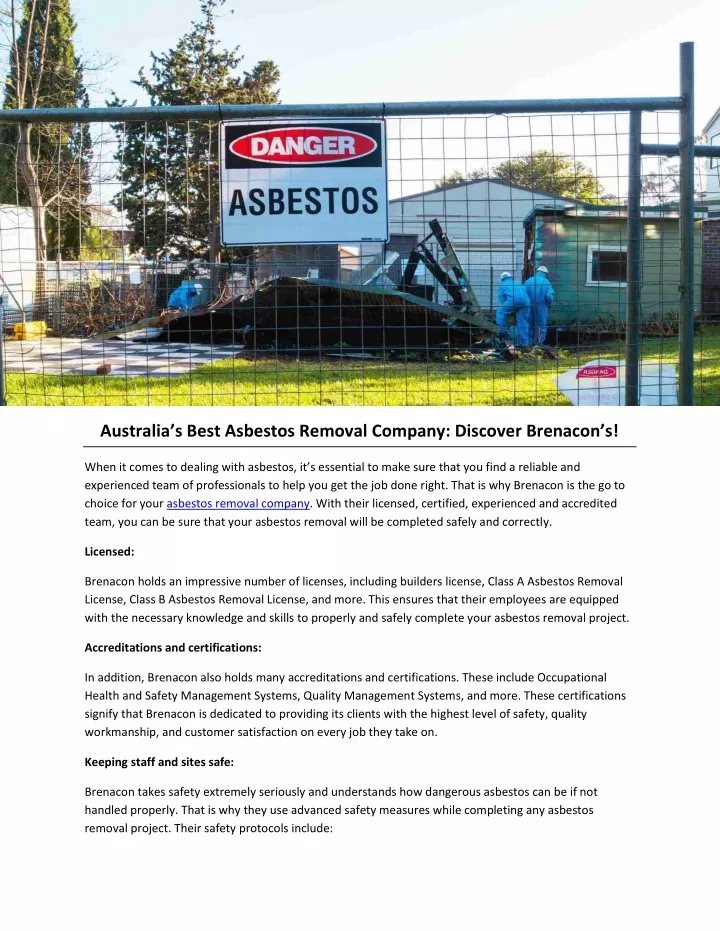
Handling asbestos particles is like handling a resting dragon— you do not wish to stimulate danger. You require to position all debris in thick, leak-proof bags or secured containers for proper control. Each plan must have clear threat labeling suggesting asbestos content. Do not toss it in the normal garbage; instead, schedule disposal at a qualified harmful waste center. Always follow neighborhood guidelines to assure safe, legal, and liable asbestos waste monitoring.